
 |
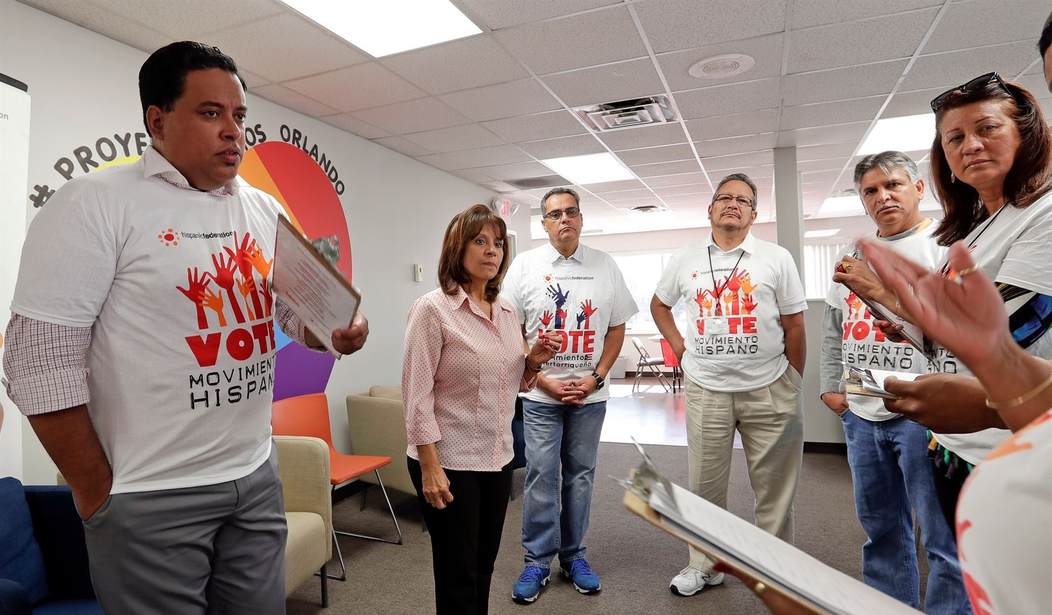
For years, Democrats treated Latino voters as a dependable margin in battleground states. Republicans argued they were making inroads, particularly with working-class Hispanic men, but the national picture rarely forced a serious strategic rethink. Heading into 2026, that picture looks less settled. One recent poll of the electorate describes it bluntly:
A wildcard does not mean a clean partisan shift. It means unpredictability. And unpredictability is difficult to model. The latest UnidosUS bipartisan survey of 3,000 registered Latino voters underscores why. This electorate is now the nation’s second-largest voting-age population, making its internal divisions especially consequential in close races. On party leadership and institutional trust, the numbers are striking:
At the same time, overall House ballot preference still shows Democrats ahead:
That margin is significant. But it is not static. Economic anxiety is shaping the landscape. The poll found:
Cost of living ranks as the top concern for 53 percent of Latino voters, followed by jobs and the broader economy at 36 percent. Housing and health care affordability remain high on the list. That kind of economic pressure creates cross-pressures rather than straight-line partisan movement. Civil liberties and immigration enforcement add another layer:
Those concerns do not fall neatly into a single ideological column. They cut across regions and demographics. The regional variation is particularly important:
In practical terms, Arizona cannot be modeled like Texas. Nevada does not mirror Florida. Border communities and suburban districts are responding to different pressures. Texas offers a recent example of that unevenness. In a state Senate race long considered safely Republican, Latino turnout patterns in competitive suburban communities altered expectations. As that contest was summarized:
Put all of this together, and the story is not realignment. It is fragmentation. Democrats maintain a clear advantage on the House ballot. Republicans have made targeted gains with certain subgroups. Economic dissatisfaction is high. Institutional trust is low. Regional divergence is widening. Read More: Dear White Liberals: Blacks and Hispanics Want No Part of Your Anti-ICE Protests Polling models rely on stable demographic behavior. When a voting bloc this large shows economic stress, institutional distrust, and regional divergence all at once, forecasting becomes more fragile. Pollsters have already struggled in recent cycles when late-breaking shifts among working-class and non-college voters were not fully captured. In midterms likely to hinge on one- or two-point margins, even modest shifts inside a fragmented Latino electorate could prove decisive. Not because it is moving in one direction. Because it is moving in several at the same time. |


No comments:
Post a Comment