 |
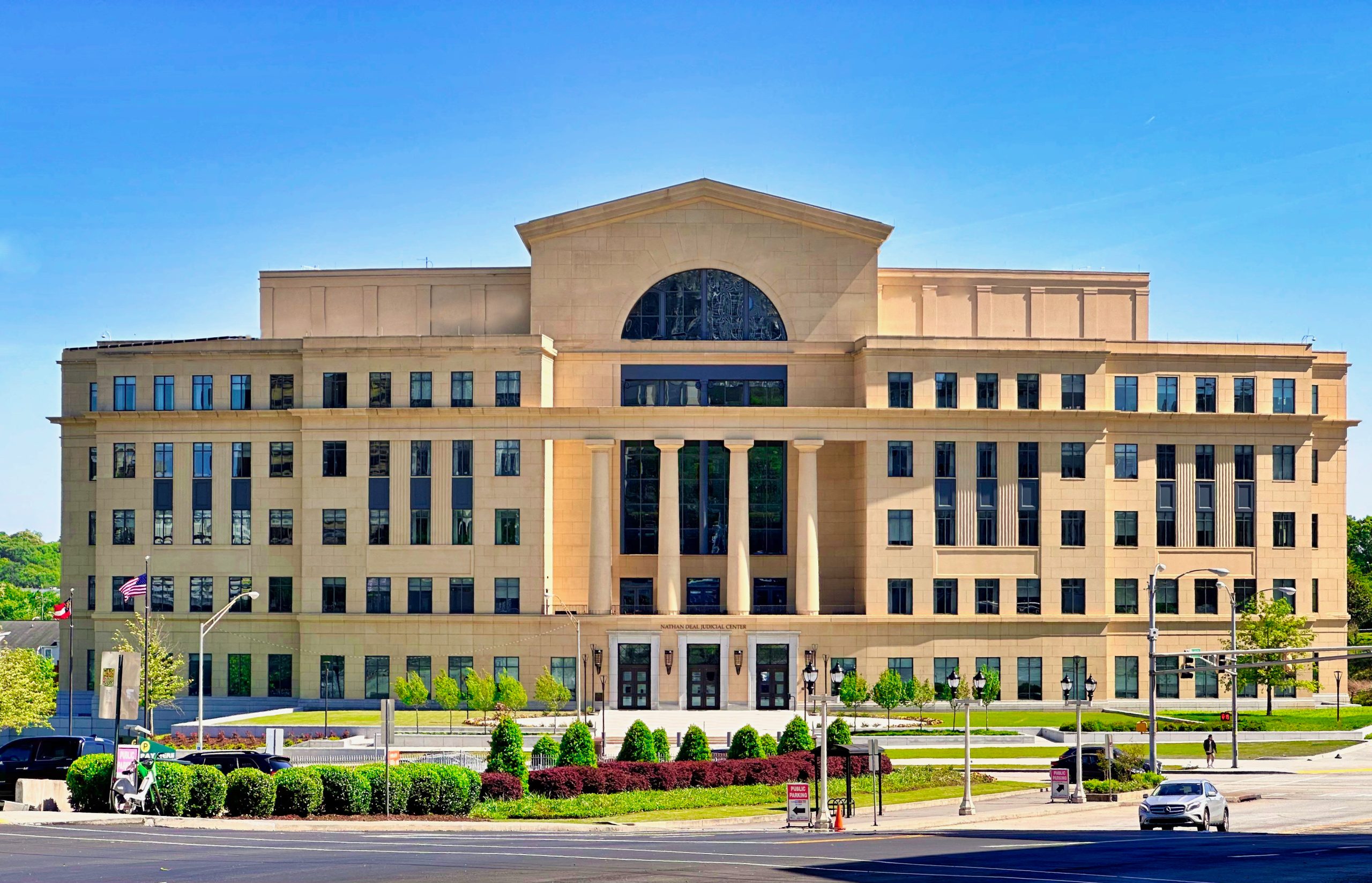
Most of this story is what the late Justice Antonin Scalia called a lawyer’s work. That’s why he opposed cameras during oral arguments before the Supreme Court—there’s nothing to hide. For the most part, these decisions are not controversial, even the late Justice Ruth Bader Ginsburg agreed, and most of what is discussed is beyond boring. Again, it’s the lawyer’s work. At the state level, there is some video access, but the situation hasn’t changed. Most of this information won’t hold voters' attention unless there’s a clear mistake that everyone can understand. Everyone knows to be prepared and not cite things that don’t exist, right? Well, at CNN, the standards are different. In Georgia, one of its attorneys, trying to end an appeal petition for a previously convicted murderer, was called out by a Georgia Supreme Court judge for citing statutes that do not exist, and it was all caught on video The
Supreme Court of Georgia heard arguments Wednesday in the appeal of
Hannah Payne, the woman convicted in the 2019 shooting death of Kenneth
Herring after prosecutors said she chased him down following a traffic
crash in Clayton County.
Comment below, but yikes. She submitted fake documents. There are allegations that AI was used. Also, there was no revised order, nor was one ordered by Leslie’s boss, Clayton County District Attorney Tasha Mosley. The DA’s office has until April 2 to explain how fake files were submitted to the state’s high court. |

Conservative Blogger
Thursday, March 26, 2026
Did You Miss This Brutal Exchange Before the Georgia Supreme Court?

Subscribe to:
Post Comments (Atom)

-
How many times do we need to say this? If you’re here illegally and get caught, you’re going back. It’s the la...
-
 CNN’s Scott Jennings once again took liberals to the cleaners on the Abrego Garcia case, the ‘Maryland man...
 -
The problem with the courts is the same as the problem with many of our other institutions. Called the Skins...


No comments:
Post a Comment