
 |
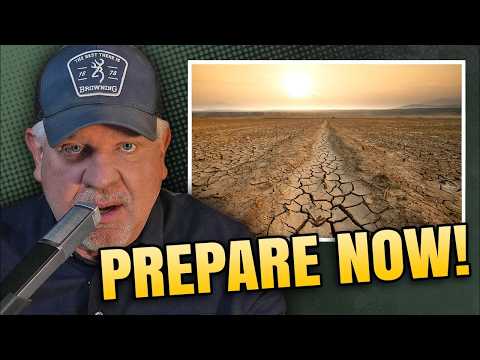
American farmers are sounding the alarm, and they should not be ignored. A sprawling drought has settled over huge swaths of this country — a “monster” dry spell that meteorologists now say is the worst for this time of year since modern records began — and that reality will not be solved with platitudes from Washington. Hardworking men and women who feed America are watching their wells, pastures, and spring planting disappear beneath a relentless shortage of water, and that has real consequences at the grocery store. Out West, the traditional safety net of snowpack has failed this winter; mountains that once stored the season’s water are bone-dry, which means rivers, reservoirs, and irrigation systems will struggle through the summer. When snowpack and groundwater fall, the burden shifts immediately to farms and ranches that rely on that water to raise crops and livestock; this isn’t theoretical — it’s happening now. The federal drought monitoring systems report large percentages of the Lower 48 in drought, and NASA’s satellite data show groundwater losses that should scare any sensible policymaker awake. USDA field reports back up what farmers are saying: topsoil and subsoil moisture are short to very short across critical producing states, planting is behind schedule in many areas, and those deficits translate into smaller harvests and higher prices down the line. This is not a distant headline for someone else — Nebraska ranchers, Midwestern wheat growers, and Southern cattle producers are already seeing the stress in their fields and on their balance sheets. When soil is dry and seedbeds fail, production falls; supply shocks follow, and working families pay the price. Conservative voices, led by commentators like Glenn Beck, have warned openly that these shocks compound global risks: fertilizer shortages, energy price spikes, and geopolitical disruptions can turn a localized drought into a systemic food crisis if leaders flinch. Beck has been blunt — supply chains are thin, fertilizer and fuel are critical inputs, and when those fray the people who plant and harvest bear the cost first and worst. Americans should listen to those warnings and demand real preparedness rather than more excuses from career politicians. This is a test of leadership and of conservative principles: trust in individual farmers, cut the red tape strangling domestic production, and stop sacrificing American energy and fertilizer independence on the altar of virtue-signaling policies. Instead of punishing farmers with burdensome regulations and leaving them dependent on foreign inputs, we should unleash common-sense reforms — streamline permitting for water infrastructure, prioritize domestic fertilizer production, and defend reliable energy so tractors, trucks, and processing plants keep running. No one should pretend bureaucratic band-aids will substitute for real policy that protects food on the table. Families and communities need to get serious about resilience. Support local producers, build state and private food reserves, and encourage conservative-led state initiatives that back agribusiness rather than kneecap it. The men and women who put bread on American tables are not asking for charity; they’re asking for policy that respects their labor and safeguards our food supply from preventable failures. Patriots know that America does not cower when faced with challenge — we respond. Call on your representatives to prioritize farm security, demand transparent action plans for drought mitigation, and keep pressure on leaders who think symbolic gestures replace hard work and permanent solutions. Our farmers are on the front line of national security; it’s time Washington treated them that way. |


No comments:
Post a Comment