
 |
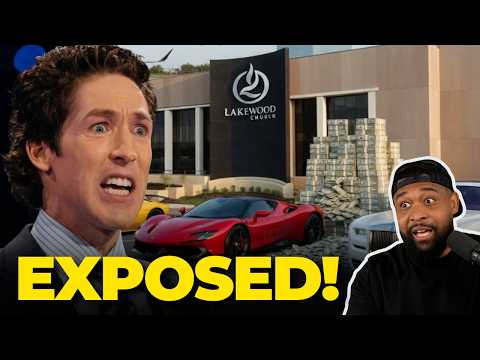
Joel Osteen’s Lakewood Church has become a symbol of everything wrong with the modern megachurch — massive influence, celebrity clergy, and a fortune built from a mix of bestselling books and global media reach that leaves hard-working Americans asking uncomfortable questions. While many parishioners say they find comfort in his message, the optics of enormous wealth wrapped in a tax-exempt religious umbrella deserve serious scrutiny from any citizen who believes in accountability. Osteen insists he stopped taking a salary from Lakewood years ago and points to book royalties and speaking fees as the source of his personal income, but saying you don’t draw a church paycheck and showing how revenue flows through nonprofit structures are two very different things. Conservatives who value transparency should be suspicious when influence and income become so intertwined that casual donors can’t tell where their dollars ultimately land. The church itself is no small operation: Lakewood announced it paid off a roughly $100 million renovation loan and has operated on an annual budget reported in the tens of millions, while reports show the organization accepted federal relief funds during the pandemic — all facts that make a frank conversation about stewardship necessary. When institutions of faith handle sums this large, donors and the public deserve clear financial statements and plain answers about priorities. Watchdog groups have repeatedly flagged Lakewood for poor transparency and low donor confidence, which is a problem that should rile up believers and skeptics alike; accountability is not an attack on faith, it’s protection for it. If ministries want the privileges that come with tax-exempt status, they must meet the standards the public expects — not hide behind charisma and television ministries. Patriotic conservatives should defend the right of churches to preach and prosper, but that defense does not include turning a blind eye to murky finances or the commercialization of the pulpit. Standing up for religious liberty means insisting on moral consistency: if pastors ask for our trust and our tithes, they must also accept scrutiny and transparent accounting. It’s time for donors to stop idolizing personalities and start demanding records — itemized budgets, clear explanations of how media revenue is used, and independent audits available to the public. Faith thrives when it’s rooted in truth, and nothing strengthens the Church more than honest stewardship and plainspoken answers to the American people. |


No comments:
Post a Comment