
 |
Our modern economy runs on oil, and that's a fact. Not only is energy at the heart of everything we do, but petroleum provides an enormous range of raw materials that we use in, well, almost everything, from smartphones to jet airliners. So, when world events cause some uncertainty in oil markets, the global economy takes a big hit as crude prices shoot skyward. Fortunately, the reverse applies as well. With the new (very new) agreement between the United States and Iran, in which Iran has agreed to stop threatening shipping in the Strait of Hormuz, on Friday morning, global crude oil prices dropped off a cliff. As of this writing, Brent crude is down 12 percent, and WTI crude is down 13 percent. On that agreement, Oilprice.com's Michael Kern writes:
Here is a snapshot taken midday Friday of the 1-day price marker for WTI crude: Stock markets have also reacted positively to the deal.
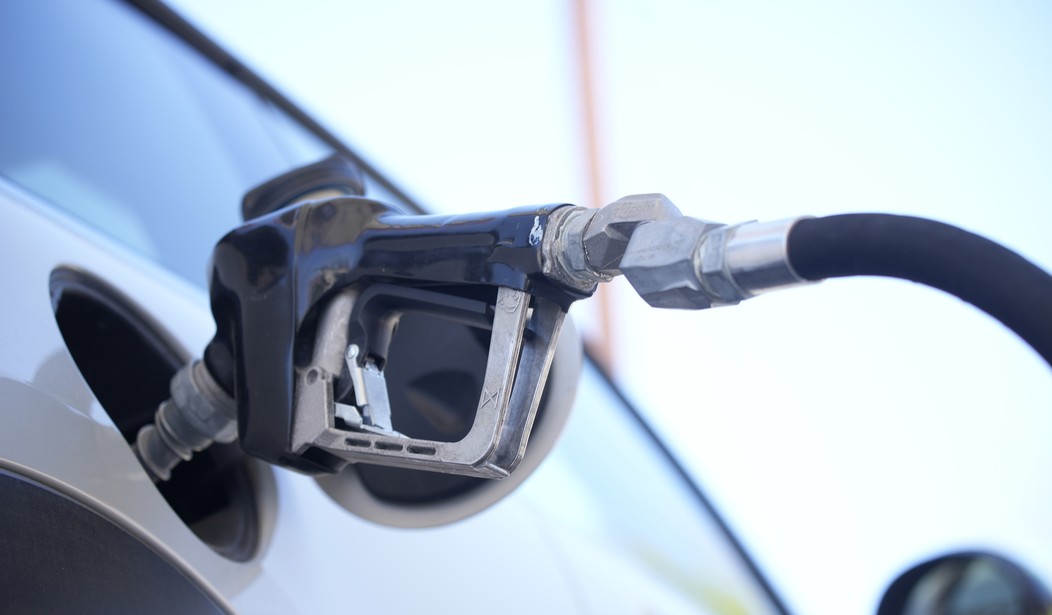
So, what does all this mean? Read More: Trump Cheers Strait of Hormuz Reopening During Israel-Lebanon Ceasefire — but There’s a Big Catch Oil Prices Surge Then Plunge Amid Optimism Over U.S.-Israel War With Iran Nearing End Cheaper oil is generally good for the global economy. But it's probably too early to see a dramatic drop in the most visible part of this market: Gasoline and diesel prices. Motor fuel prices always lag behind crude future market trends when the price is headed down, although they sure seem to shoot up quickly when there's a price shock. Gasoline prices are still higher than before the start of Operation Epic Fury, although we should point out that even after the operation started, gasoline prices never reached the Biden-era high. And, of course, the price of gasoline and diesel affects the price of everything else. It's a bit early to get too happy about all this, but right now, the trends are all moving in the right direction. |


No comments:
Post a Comment