
 |
The Department of Justice just announced a real step up in the fight against Medicaid fraud: authorization to hire 15 new prosecutors focused on Medicaid cases nationwide. That is the news, plain and simple, and it came with a high-profile Minnesota takedown that alleged more than $90 million in fraud. If you care about taxpayer dollars — and you should — this is a development worth watching.
DOJ authorizes 15 new Medicaid prosecutors
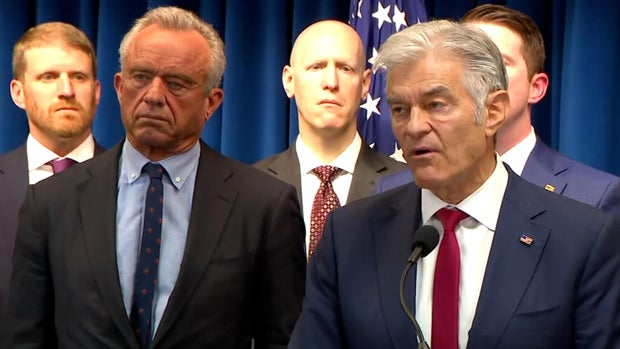
Assistant Attorney General Colin M. McDonald said the DOJ’s National Fraud Enforcement Division has authorization to create 15 new trial attorney positions dedicated to Medicaid fraud. That’s not a feel-good slogan. It’s a staffing move aimed at building a real, nationwide enforcement capacity. McDonald told reporters “This is just the beginning,” and he wasn’t speaking in public relations clichés. This expansion is part of the DOJ’s broader push under the Task Force to Eliminate Fraud, and it involved HHS Secretary Robert F. Kennedy, Jr., CMS Administrator Dr. Mehmet Oz, and FBI leadership. The message: the federal government is moving beyond talk and into manpower.
Minnesota takedown underscores scale of the problem
The staffing news was announced alongside charges in Minnesota where federal prosecutors say 15 defendants were tied to schemes with more than $90 million in intended loss. DOJ described those cases as among the largest Medicaid fraud matters in that district and even “first-of-their-kind” allegations in some programs. United States Attorney Daniel N. Rosen and FBI Co‑Deputy Director Christopher G. Raia joined the announcement. A coordinated strike-force approach — the Midwest Strike Force expansion — was highlighted as the model for knocking down complex, multi-defendant schemes. In short: the DOJ is testing how to turn authorization papers into real courtroom results.
Why this matters and what to watch next
Authorization to hire is one thing; filling the jobs and getting cases to trial is another. Watch for how fast the DOJ posts and hires the 15 trial attorneys, and whether budget or bureaucratic hurdles slow things down. The practical results will also depend on continued co‑operation with HHS, CMS, and state partners. Expect more coordinated takedowns in places where officials suspect organized fraud. For taxpayers tired of watching money vanish into fake clinics, sham providers, or phantom services, the promise of dedicated prosecutors is welcome — but the proof will be in more indictments, convictions, and money returned to the public coffers.
This effort should make state leaders squirm, too. Program design and local oversight will face scrutiny as federal teams follow the money. If state officials want fewer federal probes, they can start by tightening controls and demanding accountability from the managers of Medicaid funds. If the DOJ follows through — and that’s a big “if” that depends on hiring and budgets — this expansion could mark a turning point. For now, the high-level announcements and the Minnesota charges give conservatives and taxpayers a reason to cheer, and give fraudsters every reason to start worrying.


No comments:
Post a Comment