
 |
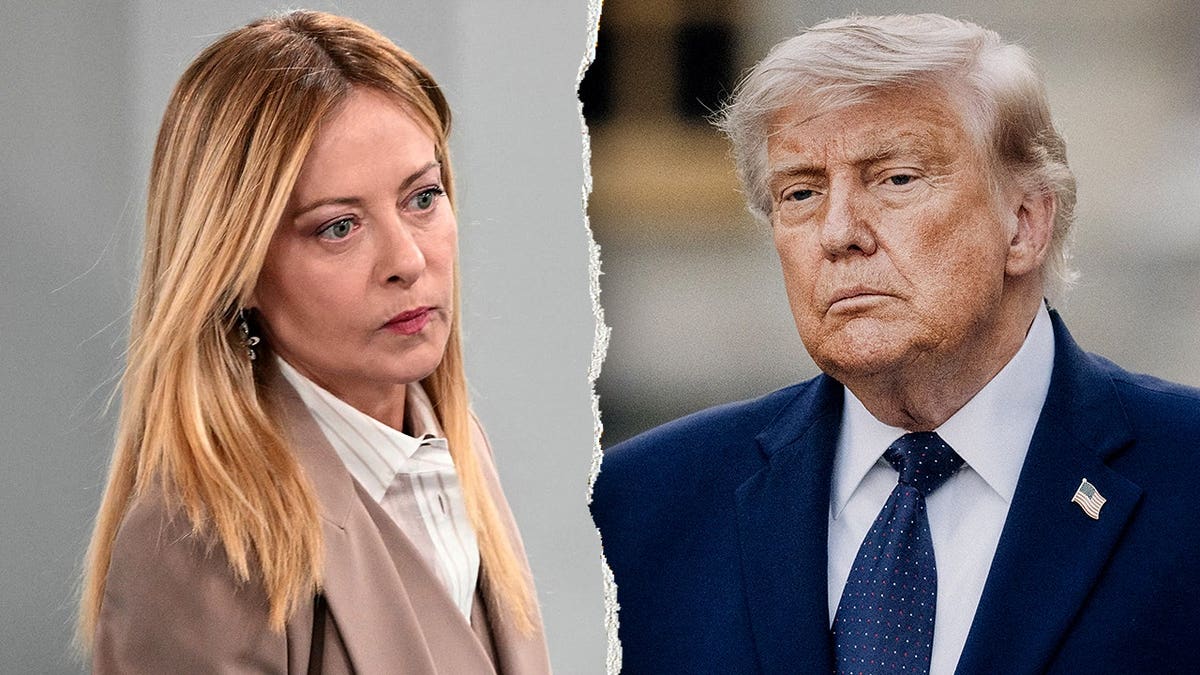
Italian Prime Minister Giorgia Meloni's publicly break with President Donald Trump this past week underscores a broader reassessment of Trump among European conservatives ahead of key elections across the continent. Meloni's fallout with Trump marks a significant departure from a relationship that once made her one of the American president's closest allies in Europe. The dispute erupted after Trump claimed in an interview that Meloni had "begged" him for a photograph during the recent G7 summit in France. Meloni forcefully denied the allegation, calling it "totally invented" and accusing Trump of treating allies with less respect than America's adversaries. The exchange has become one of the clearest signs of a growing political reality confronting right-leaning leaders in Europe: Association with Trump increasingly carries political risks. The Financial Times cited Italian political analysts who argued that Trump has become "electorally toxic" in much of Europe, including among segments of the political right. While Meloni initially sought to maintain close ties with Washington after Trump's return to office, recent disputes over NATO, the war in Iran, tariffs on European exports, and Trump's criticism of Pope Leo have complicated that strategy. The breakdown comes as Meloni prepares for an upcoming reelection campaign. Political observers say her willingness to challenge Trump publicly reflects both national pride and political calculation. Italy's government has sought to distance itself from some of the administration’s foreign-policy positions, including by refusing requests to allow U.S. military operations connected to strikes on Iran to use Italian bases. Trump's comments about NATO have also fueled growing concern among European conservatives who traditionally favor strong transatlantic ties. His repeated criticism of the alliance, demands that European members shoulder greater defense burdens, and statements questioning long-standing security commitments have unsettled leaders across Europe, including many on the center-right and nationalist right. The shift is not limited to Italy. In France, National Rally President Jordan Bardella, widely viewed as a leading contender in the country's 2027 presidential race, has increasingly distanced himself from Trump. Bardella recently described Trump's behavior as "erratic" and criticized what he called the U.S. president's "imperial ambitions" regarding Greenland and other foreign-policy issues. The French conservative leader's comments reflect a broader trend among European right-wing parties that once viewed Trump as a political ally. While many continue to share his positions on immigration, national sovereignty, and cultural issues, several have become wary of being seen as too closely aligned with a figure whose foreign-policy positions are increasingly viewed as conflicting with European security interests. Analysts say NATO remains at the center of the divide. Russia's ongoing war in Ukraine and growing concerns about European defense have strengthened public support for collective security arrangements in many European countries. As a result, Trump's skepticism toward NATO has become a political vulnerability for leaders seeking to reassure voters about national security. The public clash between Meloni and Trump represents a remarkable reversal. Meloni attended Trump's inauguration, maintained close contact with his administration, and was often described as his strongest European partner. Yet the latest dispute suggests that political realities in Europe are changing. Whether the split proves permanent remains unclear. For now, Meloni's break with Trump highlights a broader trend: European conservative leaders increasingly appear determined to chart an independent course, even when it means distancing themselves from a political figure who once inspired many of them. With elections approaching in several major European nations, Trump's statements and policies may help elect parties staunchly opposed to him and the U.S. © 2026 Newsmax. All rights reserved. |


No comments:
Post a Comment