
 |
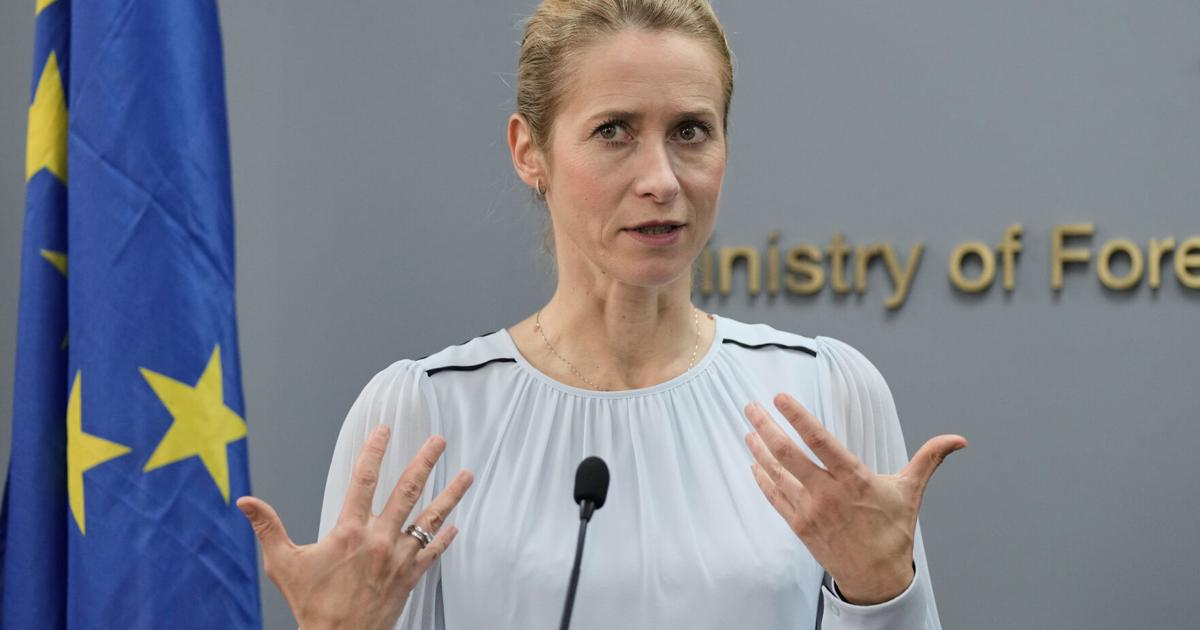
European leaders are standing by sanctions against Russia despite President Donald Trump’s agreement with Russian President Vladimir Putin to ease restrictions on Russian diesel shipments, setting up a growing policy clash between Washington and its European allies over the war in Ukraine. The European Union on Monday adopted its largest round of sanctions listings since Russia’s full-scale invasion of Ukraine in 2022, targeting 1,569 individuals and entities tied to Russia’s military-industrial complex. The move came as Trump defended his diesel agreement with Putin, which the administration says could help ease fuel costs. The new sanctions target 826 Russian companies and 743 individuals who serve as their chief executives, according to the Council of the European Union. The companies supply components for Russian weapons systems, including missiles, drones, and aircraft. More than half of the listings target the supply chain for ballistic missiles used in attacks on Ukraine, EU foreign policy chief Kaja Kallas said. "Today the EU adopted the largest round of sanctions listings since 2022," Kallas said in a statement. "This is not the time to ease pressure on Moscow but to increase it," she said in her statement. The new measures underscore the divide between Trump’s decision to ease certain restrictions on Russian fuel and Europe’s strategy of increasing economic pressure on Moscow to end the war. "The U.S. is our biggest ally, but our message is clear: if we want to end this war, the only way we can do this is (by) putting more pressure on Russia," Kallas said Monday, according to Euronews. Irish Foreign Minister Helen McEntee also described the Trump-Putin diesel deal as concerning, while saying the EU would continue its policy of pressuring Moscow. "Our priority has to be to maintain that pressure, but also to maintain our channels with the U.S., because this is not going to be achievable without the support of the U.S.," McEntee said, according to Euronews. EU Says It Made Position Clear Directly to US Officials The European Commission said Monday it had already communicated its position directly to U.S. officials during peace talks in Miami on Friday, where representatives of the commission, Britain, France, Germany, Ukraine, and NATO took part. Commission spokeswoman Paula Pinho said the EU had reiterated its "full support and unwavering support to Ukraine" during the discussions with American counterparts. "We have made our position very clear," Pinho said when asked about the diesel agreement, according to the transcript of the commission’s Monday briefing. "We see it differently," she said, explaining that the EU has sanctions in place and is phasing out its dependence on Russian fossil fuels because of the costs associated with those imports. Pinho said the Miami talks were intended to advance efforts toward a durable peace and that the EU would continue engaging with Washington to end the war. However, she said the commission had not been informed by the U.S. side about the so-called energy ceasefire Trump announced over the weekend, according to reporting by Interfax-Ukraine. The proposed pause in attacks on energy infrastructure also remained uncertain Monday. Pinho said Ukrainian President Volodymyr Zelenskyy had expressed readiness to participate, but the EU was still waiting for Russia to signal that it would do the same. The commission said its sanctions remained in force and that additional measures against Russia were under discussion. "The idea is to increase the pressure on Russia rather than release it," Pinho said. She added that the EU was not only continuing to enforce its existing sanctions but was also preparing further restrictions. The statements offered a direct indication of Europe’s position to Washington, even as the Trump administration pursues a separate agreement with Putin. Trump Previously Pressed Europe on Diesel Supplies The disagreement follows the Trump administration’s recent pressure campaign urging European allies to release emergency diesel reserves to help lower fuel prices. Reuters reported Oct. 1 that the administration had warned France and Germany they could face a potential U.S. diesel export ban if they did not draw down their emergency inventories. A U.S. official told Reuters that it was in Europe’s best interest to cooperate with Washington as the two sides pursued ways to increase refined-fuel supplies and lower consumer costs. The administration had asked the EU to release 120 million barrels of diesel over six months, according to one source cited by Reuters. European governments faced a difficult choice between releasing reserves to help ease prices and preserving supplies in case the energy crisis worsened, particularly as the conflict involving Iran continued to disrupt global energy markets. Trump subsequently announced his agreement with Putin to bring additional Russian diesel into the market. Under the arrangement Trump announced, Russia would supply more than 300,000 metric tons of diesel immediately, another 500,000 tons in November and an additional 1 million tons afterward, according to Reuters. Washington lifted certain sanctions restrictions to facilitate Russian diesel transactions through April 2027. The arrangement has drawn criticism from Ukrainian officials and some U.S. lawmakers, who argue that easing restrictions could benefit Moscow while the war continues. Reuters reported Monday that the initial Russian supply would be relatively small compared with U.S. diesel consumption, and that questions remained about available shipping capacity and the condition of Russian refineries. Europe Urges More Pressure on Moscow Kallas urged the White House to implement a sanctions and tariffs package associated with the late Sen. Lindsey Graham, R-S.C., saying it could increase pressure on Moscow to end the conflict. "If they would enact the Graham bill, we could really put the pressure so that Russia will finish this war," Kallas said, according to Euronews. Swedish Foreign Minister Maria Malmer Stenergard said she regretted the diesel agreement and hoped it would not take effect. She encouraged European countries to use frozen Russian assets to increase military and financial support for Ukraine while maintaining economic pressure on Moscow. Lithuanian Foreign Minister Kęstutis Budrys also criticized the deal, saying it would not meaningfully lower fuel prices or strengthen unity between the United States and Europe. The European Commission said it remained committed to working with Washington toward a lasting peace, while maintaining its sanctions policy. Commission President Ursula von der Leyen also reaffirmed her support for Zelenskyy following a telephone call with the Ukrainian leader over the weekend, Pinho said. The commission said support for Ukraine would remain central to discussions at this week’s European Council meeting. Trump Defends Agreement Trump defended the agreement Monday amid criticism from lawmakers in both parties over the decision to allow Russian diesel imports. "I made the right choice for the American People," Trump wrote on Truth Social, according to Reuters. Trump also pointed to European purchases of Russian energy as he defended his decision, arguing that his administration was acting in the interests of Americans facing higher fuel costs. The White House has promoted the diesel agreement as part of Trump’s effort to address fuel affordability, with the administration citing disruptions to global supplies and limited refining capacity as factors behind rising prices. As of Monday, no separate White House statement directly responding to the EU’s new sanctions package or its renewed pledge to maintain pressure on Russia had been identified in the available reporting. The European Commission, meanwhile, said it was standing by its restrictions and considering further sanctions against Moscow. © 2026 Newsmax. All rights reserved. |


No comments:
Post a Comment