 |
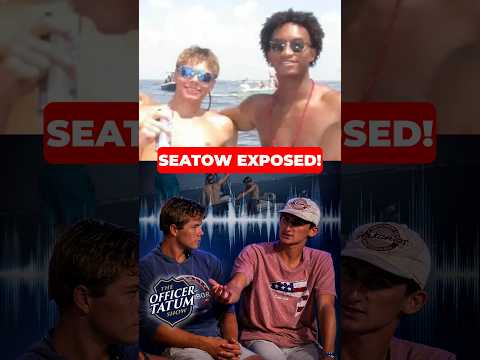
Newly released audio from a July 4 Sea Tow call paints a chaotic scene that is far messier than the rush-to-judgment headlines promised. In the recording, one of the teens on the boat tells a dispatcher that their bilge pump failed and that “we’re sinking,” and he gives coordinates off the west tip of Horn Island as he pleads for a tow. This audio—released by the Mississippi Department of Marine Resources and obtained by local outlets—makes clear there was a real mechanical emergency that afternoon, not an instant narrative. GPS data released by authorities and shared with national reporters shows the towed vessel was moved roughly three miles and then returned to normal speed less than an hour later, a timeline that undercuts the idea that an immediate, obvious crime happened at the moment the Sea Tow call was placed. Those same records indicate separation of groups and movements that complicate simplistic versions of the story, and they raise real questions any serious investigation should answer. Americans deserve facts, not gossip; the data so far points to a complicated sequence of boat movements and complications, not an open-and-shut cover-up. At the same time, the audio’s emergence has been twisted through amplifying software and social media speculation, with an audio engineer saying she spent hours enhancing the clip and others insisting the enhancement created misleading impressions. The family has retained prominent civil-rights advocates and attorneys who argue there are unanswered questions—so national figures like Ben Crump and Al Sharpton
have stepped into the spotlight demanding accountability. While their concerns deserve attention, raw emotion and activist theater cannot substitute for sober investigative work and evidence. Footage and follow-up reporting further complicate the doomsday social feeds: video published by local outlets appears to show the towed vessel without Nolan Wells aboard after the tow, and several friends and family members say Nolan stayed behind on the island and was later separated from the returning boat. Sea Tow itself reportedly said assistance was no longer needed before its crew rendered aid because help had already been obtained—an operational detail that matters if we are going to sort accidental tragedy from malicious intent. These are the kinds of concrete details that should calm conspiracy theories and focus resources on a proper inquiry. Conservatives should be clear-eyed about two things at once: we must insist on a thorough, transparent investigation into any young life lost under unclear circumstances, and we must reject the rush to criminalize without evidence. The modern media ecosystem loves a tidy narrative that feeds outrage and fundraising, and far too often partisan actors fan the flames before local law enforcement has finished basic fact-finding. Real justice—accountability, transparency, and truth—loses when social-media verdicts and spectacle crowd out sober police work. If Americans truly care about fairness, we will demand that all physical evidence, GPS logs, phone records, and witness statements be released promptly and independently reviewed, not parceled out to cable hosts and viral influencers. The Wells family has every right to seek outside review and to press for answers; conservatives should support both the family’s search for truth and the rule of law that protects against mob-driven miscarriages. In the meantime, hardworking citizens should refuse to let activists and headline-hungry outlets convert a tragic local mystery into another national wedge—let investigators do their job, and let the facts, not fury, determine the conclusion. |