
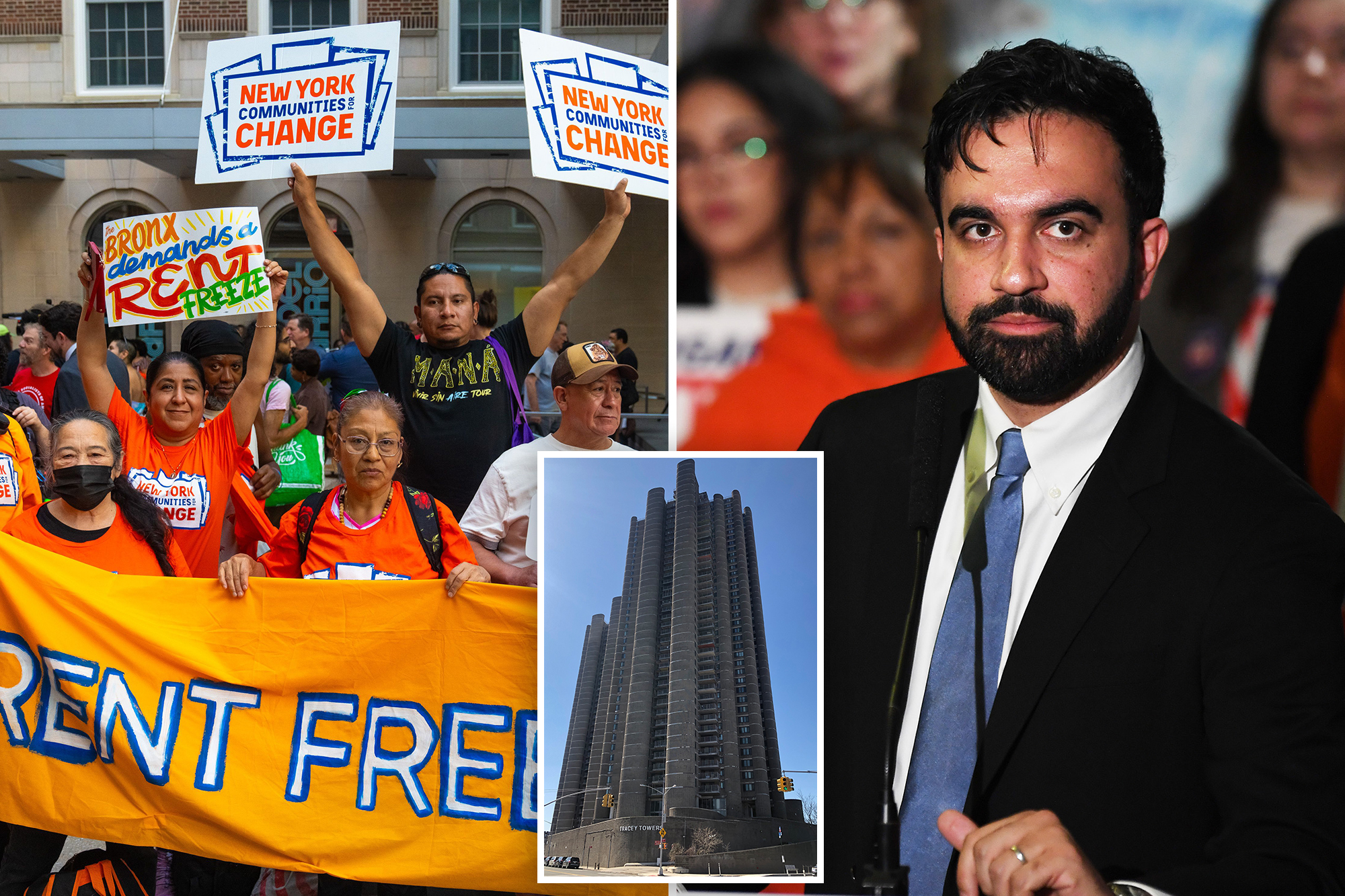
A group of New York City landlords has taken Mayor Zohran Mamdani’s rent plan to court, asking a state judge to block a two‑year rent freeze on roughly one million rent‑stabilized apartments. The lawsuit says the Rent Guidelines Board’s decision was a foregone conclusion, packed with the mayor’s allies and based on mangled numbers. This fight will decide whether the city gets short‑term political applause or long‑term economic pain.
What the Rent Guidelines Board did
The Rent Guidelines Board voted 7–1 to impose a 0% increase on both one‑ and two‑year renewal leases covering the city’s rent‑stabilized units. It’s the board’s first-ever two‑year freeze and it applies to the renewal period the board set for 2026–2027. RGB leaders say the freeze is part of Mayor Mamdani’s affordability agenda. Supporters call it bold tenant relief. Critics call it a one‑size‑fits‑all price control that ignores how markets actually work.
Landlords’ lawsuit: packed board and rising costs
The landlords’ complaint pulls no punches. It accuses the RGB of making a “mockery” of its duty by stacking the board with loyalists and then manipulating the data to justify the freeze. Plaintiffs point to the board’s own Price Index of Operating Costs — which shows operating costs up about 5.3% and spikes in insurance and fuel — to argue the freeze will squeeze owner cash flow and harm building upkeep. They’ve asked the court to vacate or pause the RGB order and to keep prior guidelines in place while the case plays out. The complaint is backed by well‑known private counsel, and the city says its Law Department will vigorously defend the board’s independence.
Economics vs. political optics
The legal fight is also an economic one. Price ceilings like rent freezes can help some tenants in the short run, but they also cut into incentives to build and maintain housing. That’s basic Econ 101 — a point even a now‑viral commentary from a Wall Street Journal Free Expression segment has hammered home. Academic studies show rent regulation often protects incumbents while reducing the quality and supply of housing over time unless paired with smart, pro‑supply policies. If the goal is affordable housing, the long game is simpler than the political theater: allow building, cut needless red tape, and target help to the most vulnerable.
What to watch next — court, politics, and common sense
The immediate legal calendar will be decisive. Plaintiffs are likely to press for an emergency stay or injunction while the court reviews the RGB record, and the city will push back. If a judge pauses the freeze, the mayor’s short‑term victory could be delayed. If the freeze survives, landlords will appeal. Either way, voters should ask whether applauding a headline‑friendly price control is worth risking neglected buildings, fewer new units, and higher long‑term rents. Mayor Mamdani promised fast results; the courts and economics may have other plans — and they don’t care much for campaign slogans.


No comments:
Post a Comment