
 |
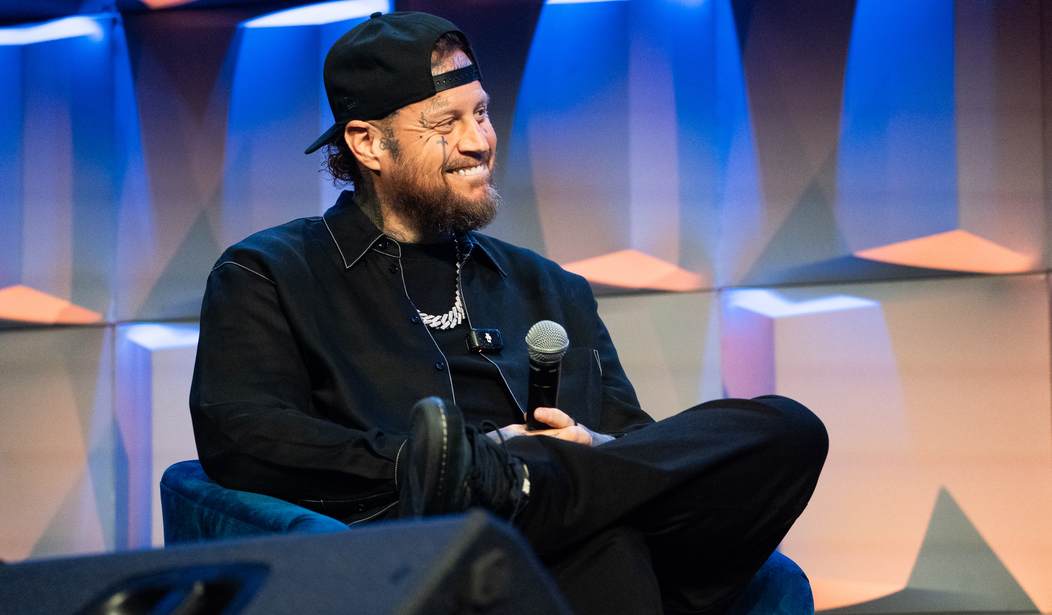
Country music has long rewarded authenticity and a certain independence from coastal politics, making Jelly Roll’s recent turn on "Jimmy Kimmel Live" a dangerous gamble. Built on raw stories of struggle, redemption, and personal change, his identity as an artist faces a major test after taking repeated aim at President Donald Trump while guest-hosting for Kimmel during the host's usual summer sabbatical. During his monologue, Jelly Roll – real name Jason Bradley DeFord — mocked the president's attempt to wave a flag at an IndyCar event in Washington, calling the effort a poor job. He joked about the motorcade's "lap of honor," compared it to a strip club loyalty program, and then turned to personal health. Noting his own impressive 300-pound weight loss, Jelly Roll claimed he had shed the equivalent of an "entire Donald Trump." He referenced media reports of a modest 14-pound weight gain to mock the president's fitness, linked it to approval ratings, and closed with crude remarks about personal health, fitness, and anatomy. The immediate reaction among his core fanbase was confusion, as many listeners assumed the singer leaned conservative following previous public appearances. While Jelly Roll holds no official party affiliation and has limited voting rights due to past convictions, venue and tone matter deeply. Late-night television under Jimmy Kimmel's brand is not neutral ground, and choosing that stage to adopt the specific style of anti-conservative coastal comedy sends a clear, unmistakable signal to his base — the hard-working, conservative Americans who regularly fill his concert venues. Country audiences tend to notice these choices. The Cautionary Tale: The Dixie Chicks learned this lesson in 2003 when criticizing President George W. Bush from a London stage triggered immediate boycotts, radio bans, and a sharp drop in commercial support. The Cultural Divide: Careers in this genre can survive many things, but open alignment with an establishment late-night apparatus that regularly targets conservative figures carries immediate commercial risk. Audience Trust: Jelly Roll's fans value his music over party politics, but leaning into partisan late-night tropes leaves many feeling the personal connection is no longer genuine. The health portion of his monologue fits a familiar media pattern. Official White House medical records state the president remains in excellent health, with strong cardiac, pulmonary, and neurological function, a perfect cognitive score, and a recorded weight of 238 pounds. Yet the monologue treated a modest weight gain as evidence of severe physical decline, recycling standard late-night tropes. Hollywood critics are attempting to transfer the mental and physical decline of Joe Biden onto President Trump, expecting reasonable voters to forget President Biden's four-year descent into deeper cognitive impairment. Jelly Roll is certainly entitled to his viewpoint, and monologues exist to land punches. But country radio and ticket buyers have proven time and again that they will withdraw support when an artist appears to lecture or mock their core values. The music industry rewards reinvention, but it ultimately demands loyalty to the people filling the seats. A single late-night appearance may not destroy a career, but it forces a clear choice about which audience an artist intends to keep over the long haul. |


No comments:
Post a Comment