
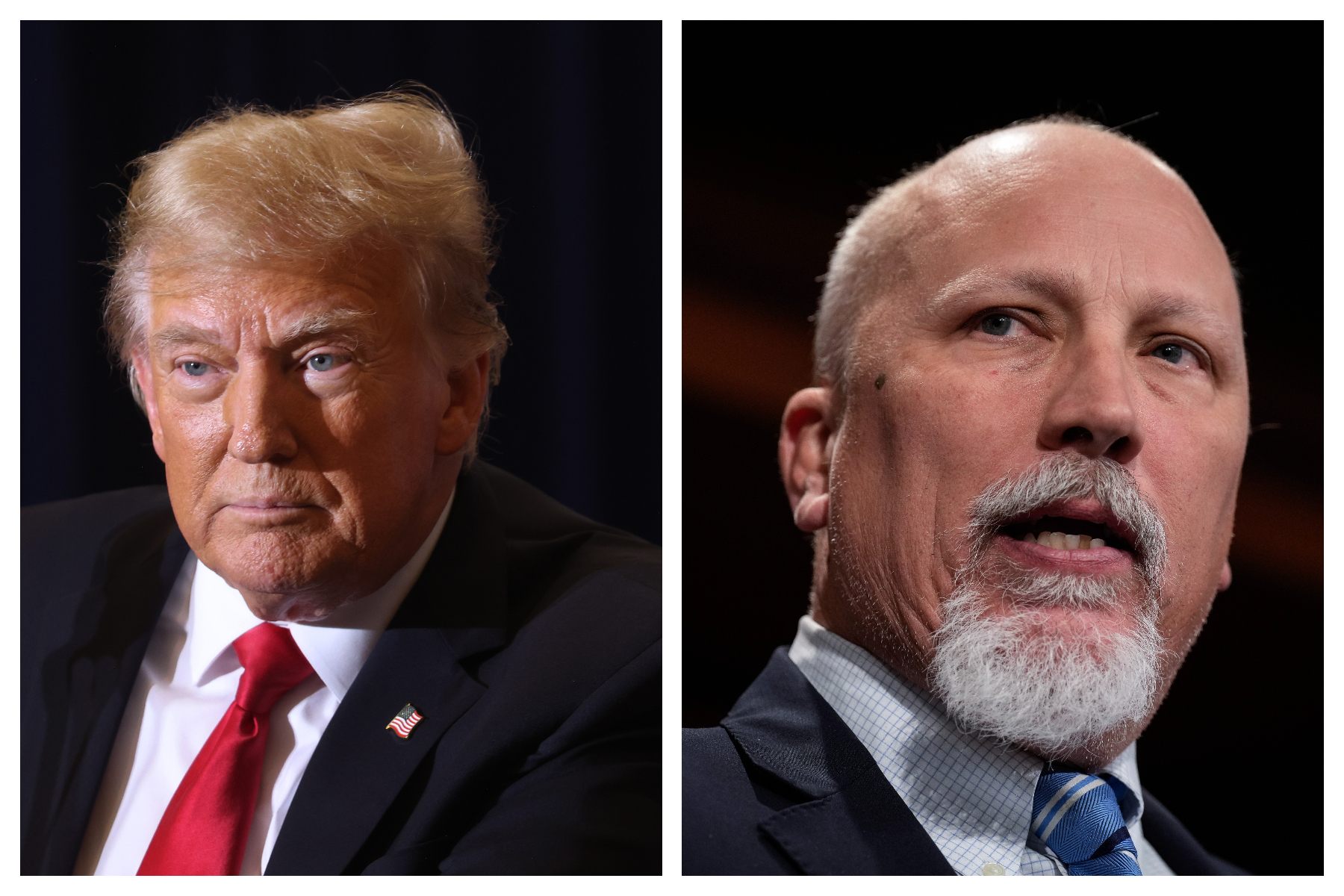
Rep. Chip Roy went on Fox Report and said something that should land with any voter who pays for a tank of gas or worries about American sailors: Iran doesn’t want a strong President Trump. He tied recent U.S. military action and the spike in oil-market jitters straight back to energy policy and the midterms — and he didn’t sound like a man comfortable letting the conversation end with talking points.
CENTCOM’s strikes changed the math at sea — fast
U.S. Central Command says it struck and disabled three Iranian-linked crude oil tankers after the IRGC launched ballistic missiles toward two U.S. Navy warships. CENTCOM released video and a blunt public statement saying two tankers were permanently disabled and a third destroyed, and warned it could keep targeting Iran’s oil fleet if attacks continued.
That isn’t abstract military theater. Commercial transits through the Strait of Hormuz plunged and markets immediately priced in more risk. For any small-business owner who buys diesel, any farmer who drives a tractor, or any family filling up on the weekend, that drop in visible supply and rise in insurance and freight costs hits the bottom line quick enough to notice.
Why Roy says more U.S. oil matters
Roy’s on-air argument was simple: if America produces more oil at home — he invoked pushing toward “nearly fourteen million barrels” — Tehran’s leverage on global energy markets weakens, and American voters feel safer in their wallets. He framed domestic production not as a subsidy to corporations but as a strategic tool to hold Iran at bay and blunt the political power of foreign oil shocks.
That’s not just rhetoric. When a tanker in the Gulf gets disabled, someone has to pay more to move fuel, carriers reroute, and shipping insurance spikes. That ripple shows up in gas stations and grocery bills, and voters remember who they blame when prices climb and politicians shrug.
Politics, escalation risk, and the human cost
Make no mistake — every naval strike raises the odds of further retaliation. Iranian state media has threatened “more severe” reprisals and floated exclusion zones around the Strait of Hormuz. That leaves merchant mariners, Navy crews, and ordinary Americans squeezed between the need to defend our interests and the risk of a wider fight nobody wants but nobody can ignore.
Republicans like Roy are eager to turn that squeeze into a campaign message for the midterms: tougher on Tehran, loosen up domestic energy production, and explain to voters the link between geopolitics and their monthly bills. Whether the messaging resonates will depend on whether voters see results — safer seas and steady prices — or more headlines and higher costs.
There’s a clear choice here: keep pretending energy is a separate issue from national security, or treat it like what it is — a frontline tool. Which will our leaders do, and will voters hold them to it when the lights go out or the pump climbs again?


No comments:
Post a Comment