Judge Refers DA Larry Krasner to DOJ, Grand Jury Subpoenas Reported
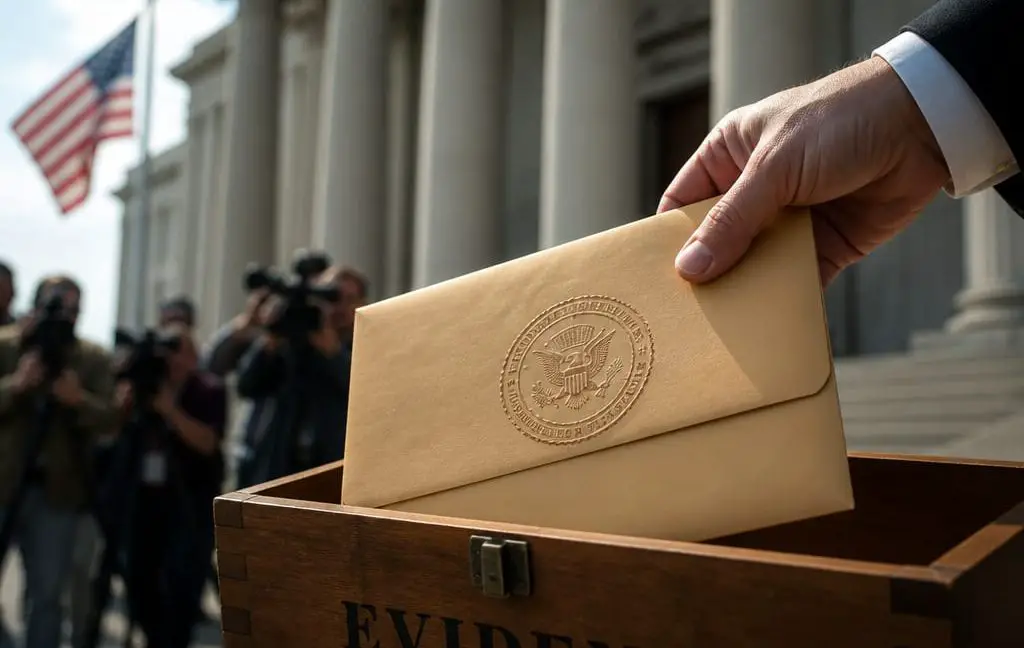
The Justice Department has reportedly served grand‑jury subpoenas on the Philadelphia District Attorney’s Office after a federal judge referred District Attorney Larry Krasner
and his top deputy to federal prosecutors. The initial report — sourced to a national outlet that cited unnamed people — says the subpoenas target possible obstruction of justice. That claim has not yet been confirmed by the U.S. Attorney’s Office or the Justice Department on the record.
DOJ subpoenas reported after judge’s referral
According to the media report, federal prosecutors recently issued grand‑jury subpoenas seeking documents and testimony tied to the judge’s referral. The story says the subpoenas focus on whether actions by the DA’s office crossed the line into obstruction. Remember: grand‑jury work is secret and the Justice Department commonly declines comment on active matters. So this is a significant report, but not yet a sealed indictment of anyone.
Judge Paul S. Diamond’s blunt referral
The action grew out of a scathing federal opinion from U.S. District Judge Paul S. Diamond, who disqualified Krasner and Matthew Stiegler from a habeas case and formally sent the matter to federal prosecutors. Judge Diamond wrote, “I have thus reluctantly concluded that Philadelphia’s highest law enforcement official and one of his top assistants may have violated the law,” and listed possible offenses including false statements, perjury, obstruction of justice, and conspiracy. The underlying dispute involves how the office handled a decades‑old murder conviction and subsequent federal proceedings.
Krasner says he disagrees — but questions remain
District Attorney Krasner has publicly rejected the judge’s findings and has filed motions asking the judge to reconsider and be recused. He says he “respectfully and vigorously disagrees” with the conclusions. That posture is predictable. What is not predictable — and should worry Philadelphians — is a pattern where political prosecutors appear to put office politics ahead of legal duty, forcing a federal judge to make a criminal referral.
Why this matters: accountability, law, and politics
If the Justice Department is indeed convening a grand jury, this will test whether federal prosecutors treat allegations against powerful local officials the same as they would anyone else. The American people deserve clear answers: were legal rules bent to protect a political office, or is this a mistaken overreach from the bench? Either way, transparency matters. Prosecutors wield enormous power; when that power is questioned by a federal judge, it’s not petty politics — it’s a matter of public trust and public safety. Let the process run, but don’t expect the political spin to stop until hard facts come out.



No comments:
Post a Comment